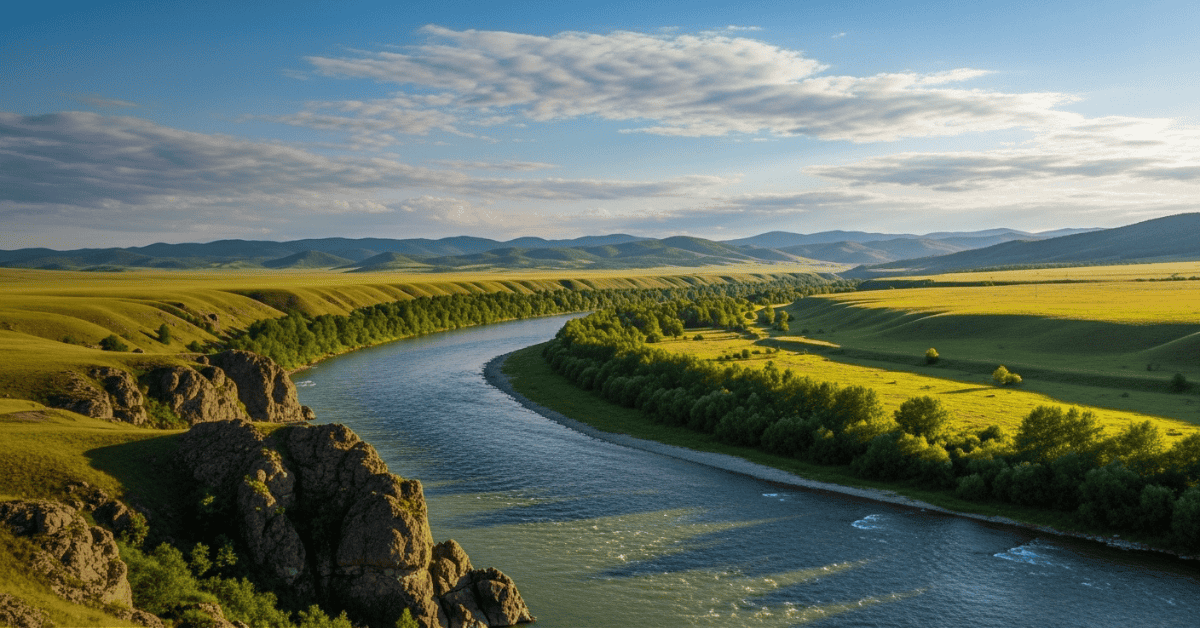
Picture stepping off a plane in Reykjavik during summer, expecting the familiar buzz of mosquitoes—only to discover these blood-sucking pests are completely absent from this Nordic island nation.
The Land Where Mosquitoes Cannot Survive
Iceland stands as one of Earth’s most remarkable exceptions to mosquito distribution. While these persistent insects inhabit every continent except Antarctica, they cannot establish populations on this volcanic island. The absence creates an unusual paradise for outdoor enthusiasts who can hike, camp, and explore without the constant threat of mosquito bites.
This phenomenon puzzles many visitors. After all, Iceland possesses abundant freshwater lakes, marshes, and wetlands that seem perfect for mosquito breeding. The country experiences mild summers with temperatures reaching 15°C (59°F), conditions that support mosquito activity elsewhere in the world.
Yet scientists have documented zero established mosquito populations across Iceland’s 103,000 square kilometers of diverse terrain.
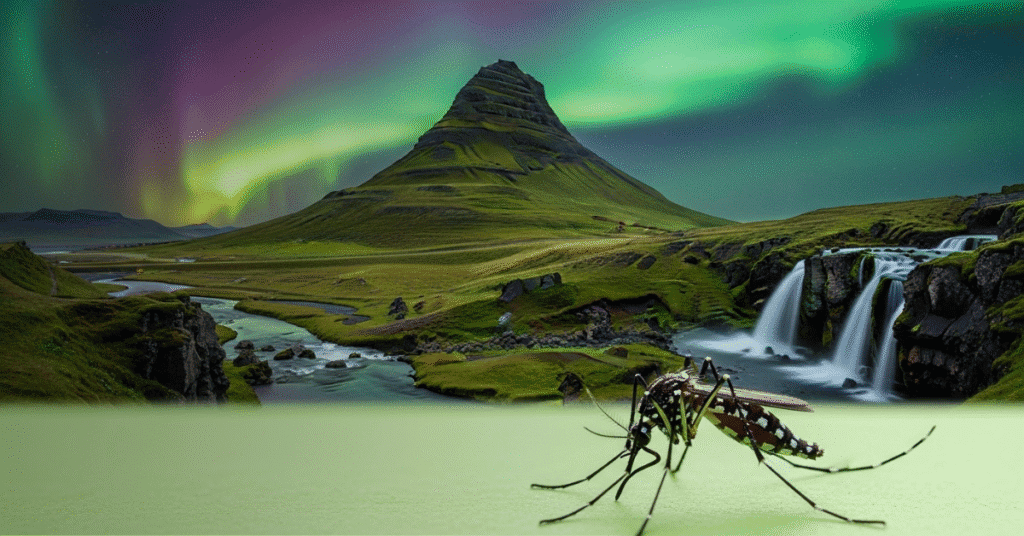
A Geographic Fortress Against Invasion
Iceland’s isolation serves as its primary defense against mosquito colonization. The island sits 970 kilometers from Norway and 290 kilometers from Greenland, creating an oceanic barrier that prevents natural mosquito migration. Unlike other Nordic countries where mosquitoes arrive through gradual range expansion, Iceland’s geographic position blocks this natural dispersal.
The few mosquitoes that reach Iceland arrive accidentally through human transportation—typically aboard ships or aircraft. However, these isolated individuals face immediate challenges that prevent successful reproduction and population establishment.
Climate plays an equally crucial role in maintaining Iceland’s mosquito-free status. The island experiences unpredictable temperature fluctuations throughout summer months, with sudden drops that can kill mosquito larvae and adults alike.
The Science Behind Survival Failure
Mosquitoes require specific environmental conditions to complete their life cycle successfully. Female mosquitoes need blood meals for egg production, while larvae depend on consistent water temperatures for development. Iceland’s harsh climate disrupts both requirements.
Temperature instability proves particularly devastating for mosquito reproduction. Larvae cannot survive the sudden cold snaps that frequently occur during Icelandic summers. Even when temperatures rise, the brief warm periods rarely last long enough for complete larval development from egg to adult.
Dr. Gísli Már Gíslason from the Icelandic Institute of Natural History explains that mosquito development requires approximately two weeks of consistent temperatures above 10°C (50°F). Iceland’s weather patterns rarely provide such stable conditions, creating an inhospitable environment for these insects.
The country’s unique geology also contributes to mosquito absence. Iceland’s young volcanic landscape lacks the established ecosystems that typically support diverse insect populations. Many areas feature recent lava fields and mineral-rich soils that differ significantly from mosquito habitats elsewhere.
Global Patterns of Mosquito Distribution
Understanding Iceland’s mosquito-free status requires examining global mosquito distribution patterns. These insects thrive across tropical and temperate regions, with over 3,500 known species worldwide. They inhabit environments ranging from Arctic tundra to equatorial rainforests, demonstrating remarkable adaptability.
However, successful mosquito populations require specific environmental thresholds. Temperature consistency, humidity levels, and suitable breeding sites all influence their ability to establish permanent colonies. Iceland fails to meet these critical requirements consistently enough for population survival.
Other isolated locations share similar mosquito-free characteristics. Many remote oceanic islands, high-altitude regions, and extreme climate zones lack established mosquito populations. These areas demonstrate how geographic isolation and environmental extremes can create natural barriers against insect colonization.
The absence of mosquitoes in Iceland also reflects broader ecological principles. Island ecosystems often develop unique characteristics due to isolation, resulting in simplified food webs and missing species that are common elsewhere.
Benefits Beyond Comfort
Iceland’s mosquito-free environment provides advantages beyond tourist comfort. The absence eliminates disease transmission risks associated with mosquito-borne illnesses such as malaria, dengue fever, and Zika virus. This natural protection contributes to Iceland’s excellent public health outcomes.
Wildlife populations also benefit from mosquito absence. Many bird species that migrate to Iceland for breeding can focus energy on reproduction rather than defending against biting insects. Caribou and other mammals experience less stress from insect harassment, potentially improving their survival rates.
The mosquito-free environment supports Iceland’s thriving outdoor recreation industry. Visitors can enjoy midnight sun hiking, camping under the northern lights, and exploring volcanic landscapes without insect repellent or protective clothing. This unique selling point attracts nature enthusiasts from around the world.
Local ecosystems have evolved without mosquito pressure, creating distinct ecological relationships. Native insects fill different niches, and predator-prey dynamics differ from mosquito-inhabited regions.
Climate Change and Future Implications
Rising global temperatures raise questions about Iceland’s mosquito-free future. Climate models predict warmer, more stable summer conditions that could potentially support mosquito populations. However, scientists believe several factors will likely maintain Iceland’s current status.
The island’s continued geographic isolation remains a significant barrier. Even with warming temperatures, mosquitoes must still cross vast oceanic distances to reach Iceland. Natural barriers that prevented historical colonization continue to provide protection.
Iceland’s unpredictable weather patterns may persist despite overall warming trends. The island’s location between major ocean currents creates inherently unstable atmospheric conditions that could continue disrupting mosquito development cycles.
Researchers monitor potential changes carefully. Any shift toward mosquito establishment would have significant implications for public health, tourism, and ecosystem balance. Early detection systems could help prevent successful colonization through targeted intervention strategies.
The Ongoing Mystery
Iceland’s mosquito-free status represents a fascinating intersection of geography, climate, and biology. The combination of isolation, temperature instability, and ecosystem characteristics creates conditions that exclude these otherwise ubiquitous insects.
This natural experiment provides valuable insights into species distribution patterns and ecosystem development. Iceland demonstrates how specific environmental conditions can create unexpected biological boundaries, even for highly adaptable organisms like mosquitoes.
As our planet continues changing, Iceland’s unique status serves as a reminder of nature’s complexity and unpredictability. Whether this Nordic island can maintain its mosquito-free distinction remains one of geography’s most intriguing ongoing stories.
Sources
• Icelandic Institute of Natural History, “Insect Distribution Patterns in Iceland,” Journal of Nordic Entomology, 2019 • Gíslason, G.M., “Climate and Insect Population Dynamics in Arctic Regions,” Arctic Biology Review, 2020
• World Health Organization, “Global Vector Control Response: Mosquito Distribution Atlas,” 2021 • Smithsonian Institution, “Island Biogeography and Species Colonization Patterns,” Environmental Research Letters, 2018 • NASA Earth Observatory, “Climate Patterns and Temperature Variability in the North Atlantic,” 2022 • University of Iceland, “Ecological Surveys of Icelandic Invertebrate Populations,” Nordic Research Quarterly, 2019 • International Association of Medical Entomology, “Mosquito Species Distribution and Climate Adaptation,” Vector Biology Journal, 2020
Disclaimer: This article is for informational purposes only and should not replace professional scientific or health advice regarding vector control or disease prevention strategies.