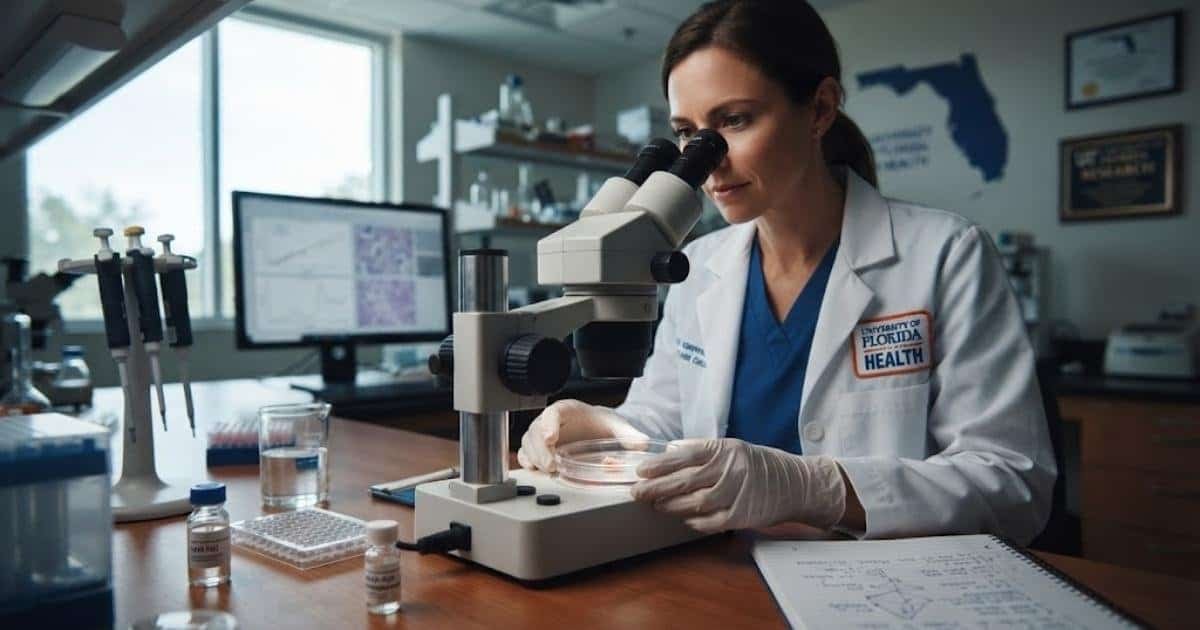
Florida state officials have officially approved funding for a new research initiative to determine if ivermectin, an antiparasitic medication, shows efficacy in treating cancer patients. The Florida Department of Health is allocating resources to support clinical investigations, marking a move to explore repurposed drug therapies. This study seeks to analyze specific cellular interactions and patient outcomes related to oncological care.
Public interest in the drug surged after claims surfaced during the pandemic, but legitimate medical research centers have remained cautious about its broader use. Now, the state wants to see if laboratory data can actually translate into tangible benefits for those battling difficult diagnoses.
Details Of The Clinical Research Protocol
Researchers involved in this state-backed project are prioritizing in vitro testing before moving toward clinical trials. The primary goal involves observing how the compound interacts with malignant cells in a controlled environment. By measuring changes in tumor growth rates and cellular metabolism, the team hopes to identify any potential inhibitory effects. Current data points suggest that high concentrations of the medication might disrupt specific pathways used by diseased cells to survive and replicate.

Scientists are also cataloging potential side effects alongside these efficacy markers. Because the drug is already FDA-approved for other conditions, the safety profile is well-documented, which could speed up the timeline if preliminary results show promise. The team is aiming to enroll a small cohort of participants for early-phase human trials if the initial cell-line data justifies the risk.
Official Stance And Public Policy Shifts
State Surgeon General Dr. Joseph Ladapo has been a vocal supporter of expanding the scope of medical research beyond standard protocols. His department views this funding as a direct investment into alternative possibilities for patients who have exhausted traditional options. Supporters argue that the medical establishment often ignores repurposed medications due to lack of profit incentives, making state-led funding a necessary check on traditional pharmaceutical research.
Critics within the medical community, however, remain deeply skeptical of the focus. Many oncologists emphasize that rigorous, double-blinded studies are required to avoid giving patients false hope. They argue that diverting state funds toward a substance with historically controversial applications may distract from more established clinical trials that show clearer paths to survival for cancer patients.

Historical Precedent For Drug Repurposing
Drug repurposing is a standard practice in modern medicine where existing chemical compounds are tested for new therapeutic uses. Famous examples include aspirin, originally for pain, later used for cardiovascular health. Proponents of the Florida study believe that looking at the structural properties of existing drugs like ivermectin is a low-cost, high-reward strategy for medical advancement. This method avoids the decade-long process and high costs associated with developing brand-new molecular compounds from scratch.
What This Means For Patients And Taxpayers
The immediate impact for the public remains limited, as these trials are still in the early stages of development. Patients hoping for a miracle treatment should wait for peer-reviewed data before changing their current medical plans. For taxpayers, this project represents a specific allocation of public funds toward a high-risk, high-reward medical venture. Residents should watch for the first set of interim reports expected from the state research board within the next eighteen months, as those results will determine whether the program receives continued support or faces cancellation.