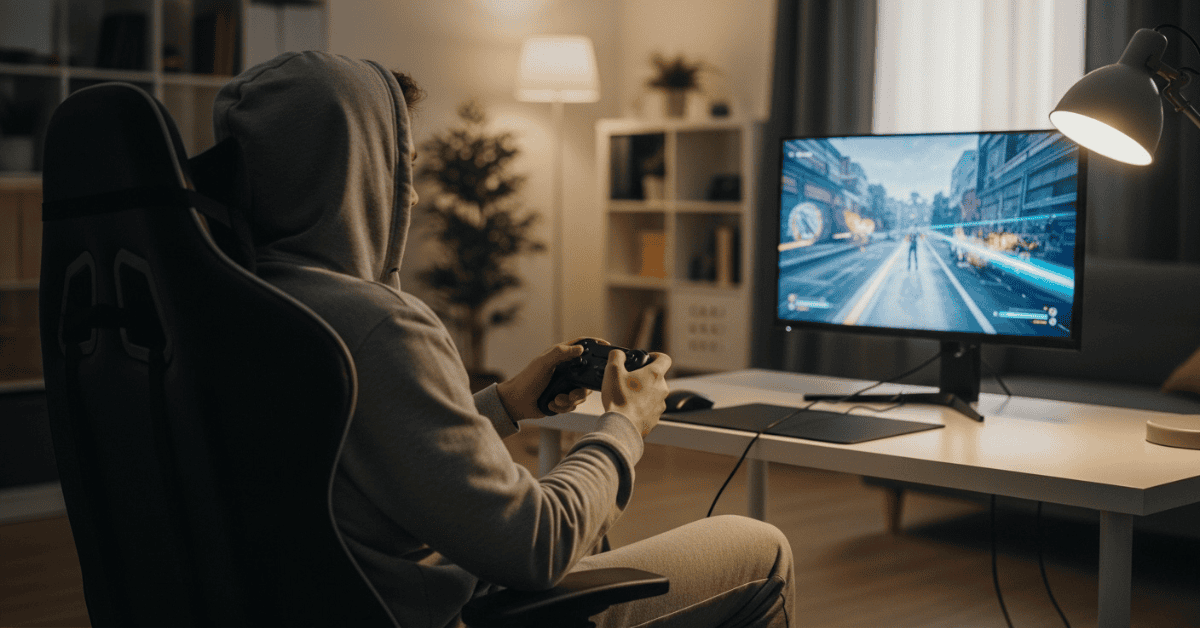
Contrary to popular belief, pandemic gaming habits showed minimal impact on psychological health, challenging assumptions about screen time and mental wellness.
The Unexpected Discovery
In March 2020, as lockdown orders swept across continents, millions of people turned to an unexpected companion: video games. Sales of gaming consoles soared by 163% in the United States alone. Parents worried about their children’s increased screen time, while health experts debated the psychological consequences of this digital retreat.
Yet three years later, researchers discovered something surprising. The gaming surge that defined the pandemic era had far less impact on mental well-being than anyone predicted.
A Global Gaming Experiment
The COVID-19 pandemic created the largest unintended experiment in gaming behavior in human history. Suddenly, billions of people found themselves confined to their homes with unprecedented amounts of free time. Gaming offered an accessible escape route from the anxiety, isolation, and uncertainty that characterized those early pandemic months.
Traditional concerns about excessive gaming seemed amplified during this period. The World Health Organization had already recognized “gaming disorder” as a mental health condition in 2019. Many assumed that pandemic-era gaming would create a mental health crisis, particularly among young people already struggling with social isolation.
However, researchers began tracking gaming habits and psychological outcomes across diverse populations. What they found challenged decades of assumptions about digital entertainment and mental health.
The Research Revolution
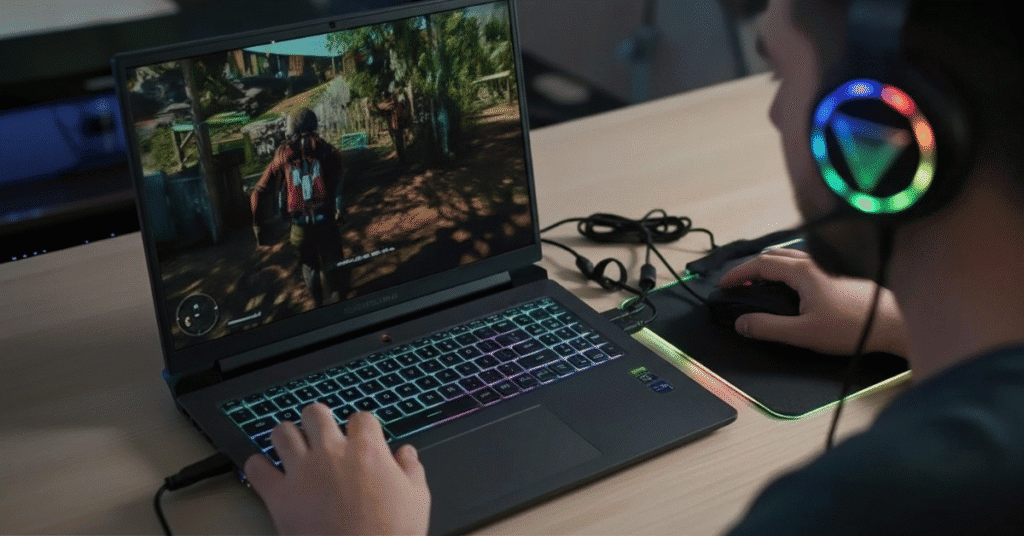
Dr. Matti Vuorre from Tilburg University led one of the most comprehensive studies examining pandemic gaming patterns. His team analyzed data from over 100,000 gamers across multiple countries, tracking both playing habits and psychological well-being measures throughout 2020 and 2021.
The results surprised even seasoned researchers. While gaming hours increased dramatically during lockdowns, measures of depression, anxiety, and overall life satisfaction remained relatively stable. Players who increased their gaming time showed no significant decline in mental health markers compared to those who maintained pre-pandemic playing habits.
Similar findings emerged from studies in Japan, the United Kingdom, and Germany. Researchers consistently found that moderate increases in gaming time during the pandemic correlated with either neutral or slightly positive mental health outcomes. The feared psychological collapse from excessive screen time simply didn’t materialize on a population level.
The Social Connection Factor
Scientists discovered that games served an unexpected function during lockdowns: maintaining social connections. Multiplayer games became virtual gathering spaces where friends and families could interact safely while maintaining physical distance.
Animal Crossing: New Horizons exemplified this phenomenon. The game’s gentle, social gameplay attracted millions of new players who used it to host virtual birthday parties, graduations, and family gatherings. These digital interactions partially compensated for the loss of in-person socialization, providing crucial emotional support during isolation periods.
Research from Oxford University revealed that players who used games primarily for social interaction showed better psychological resilience than those who played alone. The social scaffolding provided by gaming communities helped buffer against pandemic-related stress and loneliness.
Individual Differences Matter
While population-level data showed minimal negative effects, researchers identified important individual variations. People with pre-existing mental health conditions or those who used gaming as their primary coping mechanism showed different patterns.
The key factor wasn’t the amount of time spent gaming, but rather the motivation behind play. Players who gamed to escape problems or avoid difficult emotions showed greater risk for negative outcomes. Conversely, those who played for enjoyment, challenge, or social connection experienced neutral or positive effects.
This nuanced finding helped explain why blanket concerns about increased gaming time missed the mark. Context, motivation, and individual circumstances proved far more important than raw hours spent in front of screens.
Beyond the Pandemic
The pandemic gaming experience revealed fundamental flaws in how society thinks about digital entertainment and mental health. Traditional models focused heavily on time spent gaming while ignoring the quality and context of that experience.
Modern video games often incorporate elements that promote psychological well-being: problem-solving challenges, creative expression, social interaction, and achievement systems that build confidence. These positive aspects may help explain why increased gaming didn’t produce the negative mental health outcomes many experts predicted.
The research also highlighted the importance of individual agency in media consumption. When people freely chose to increase their gaming time as a response to unusual circumstances, the psychological impact differed significantly from compulsive or problematic gaming patterns.
Looking Forward
As society emerges from the acute phase of the pandemic, the lessons learned about gaming and mental health continue to evolve. The massive real-world experiment provided unprecedented data about how digital entertainment affects human psychology under stress.
These findings don’t suggest that excessive gaming is harmless or that screen time limits are unnecessary. Instead, they point toward a more sophisticated understanding of the relationship between digital media and mental well-being. Quality, context, and individual circumstances matter more than simple quantity measures.
The pandemic revealed that video games, like many tools, are neither inherently beneficial nor harmful. Their impact depends on how, why, and by whom they are used. As researchers continue analyzing this unique period in human history, we may discover that our relationship with digital entertainment is far more complex and nuanced than we ever imagined.
Sources
• Vuorre, M., et al. “Time spent gaming and psychological well-being during COVID-19.” Nature Communications (2021)
• Oxford Internet Institute. “Gaming behavior and mental health during pandemic lockdowns.” University of Oxford Research (2021)
• Entertainment Software Association. “2020 Essential Facts About the Computer and Video Game Industry.” ESA Annual Report (2020)
• World Health Organization. “Mental health and psychosocial considerations during the COVID-19 outbreak.” WHO Technical Report (2020)
• American Psychological Association. “Stress in America: One Year Later.” APA Stress Report (2021)
• Tilburg University Research Group. “Digital well-being during global health crisis.” Journal of Behavioral Sciences (2021)
• Nintendo Co., Ltd. “Animal Crossing: New Horizons community impact study.” Corporate Research Division (2021)
Disclaimer: This article is for informational purposes only and should not replace professional medical or psychological advice. Individuals concerned about gaming habits or mental health should consult qualified healthcare providers.