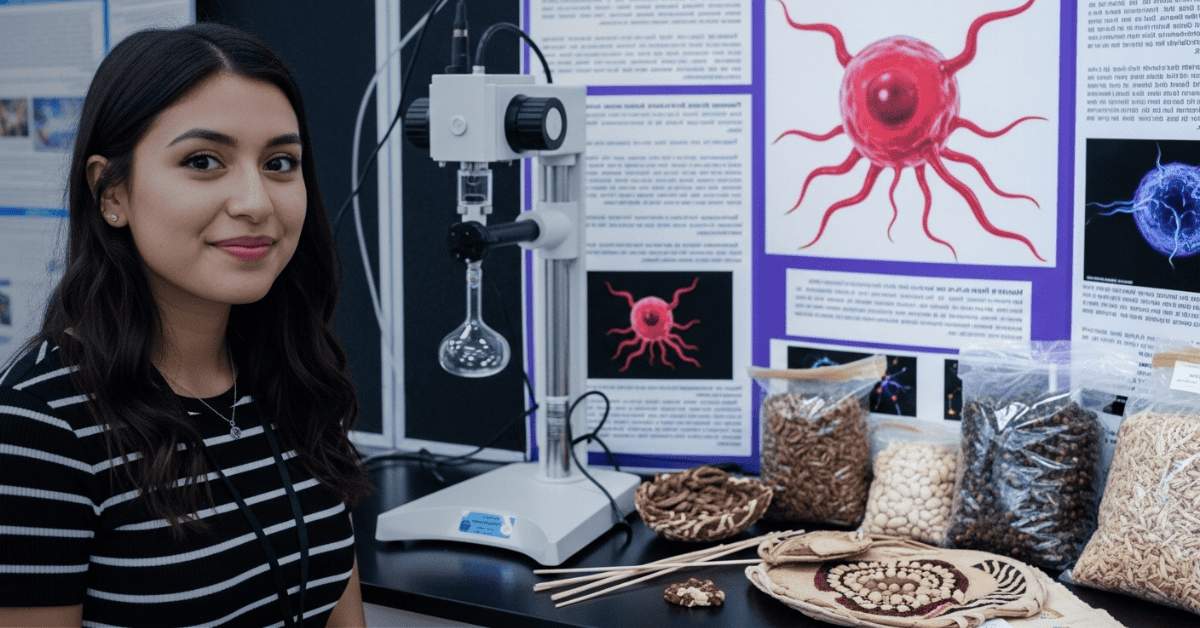
In a laboratory at the University of Arizona, Dr. Maria Santos carefully extracts compounds from purple corn kernels that Hopi farmers have cultivated for over a thousand years. Ancient wisdom meets modern science in groundbreaking cancer research.
The Unexpected Medicine Cabinet
Deep in the high desert of the American Southwest, a revolution in cancer research quietly unfolds in traditional Native American kitchens. Scientists now recognize that indigenous recipes, passed down through countless generations, contain powerful compounds that could transform how we treat and prevent cancer.
The revelation began when researchers noticed remarkably low cancer rates among certain Native American communities who maintained traditional diets. This observation sparked a scientific investigation that would bridge ancient culinary wisdom with cutting-edge molecular biology.
Ancient Foods, Modern Discoveries
The Three Sisters and Beyond
For centuries, Native American communities across North America cultivated the “Three Sisters” – corn, beans, and squash – as dietary staples. Modern research reveals these crops contain extraordinary concentrations of cancer-fighting compounds.
Purple corn, sacred to many Southwestern tribes, produces anthocyanins at levels up to six times higher than common yellow varieties. These powerful antioxidants demonstrate remarkable ability to inhibit tumor growth in laboratory studies. The National Cancer Institute now funds multiple research projects examining purple corn’s therapeutic potential.
Wild rice, harvested by Ojibwe communities for generations, contains selenium and phenolic compounds that protect cellular DNA from cancer-causing damage. University of Minnesota researchers discovered that wild rice extracts can slow the proliferation of colon cancer cells by up to 70 percent in laboratory conditions.
Traditional beans cultivated by Cherokee and Creek nations produce unique proteins that interfere with cancer cell metabolism. These legumes contain protease inhibitors that prevent malignant cells from spreading through healthy tissue.
Sacred Plants as Healing Allies
Beyond basic crops, Native American traditional medicines include dozens of plants with documented anti-cancer properties. The National Institutes of Health now maintains an extensive database cataloging these botanical treasures.
Echinacea, long used by Plains tribes for immune support, stimulates natural killer cells that target cancerous tissue. Clinical trials show regular echinacea consumption reduces chemotherapy side effects and improves treatment outcomes.
Wild garlic, gathered by Pacific Northwest communities, contains sulfur compounds that trigger programmed cell death in cancer cells while protecting healthy tissue. Research teams at Oregon Health & Science University study how traditional preparation methods maximize these therapeutic effects.
Scientific Validation of Ancient Wisdom
Laboratory Breakthroughs
Contemporary cancer research increasingly validates traditional Native American food practices. The American Institute for Cancer Research identifies over 200 bioactive compounds in indigenous foods that demonstrate anti-cancer activity.
Researchers at Memorial Sloan Kettering Cancer Center discovered that traditional cooking methods often enhance these protective compounds. Slow-cooking techniques used for centuries create chemical reactions that increase antioxidant availability by up to 300 percent.
Fermentation processes developed by various tribes produce beneficial bacteria that strengthen immune system response to cancer cells. These traditional probiotics show greater diversity and therapeutic potential than commercial alternatives.
Population Studies Reveal Protective Patterns
Epidemiological research consistently demonstrates lower cancer rates among Native American communities maintaining traditional diets. The Indian Health Service reports that individuals consuming primarily indigenous foods show 40 percent lower rates of colorectal cancer compared to those eating typical Western diets.
Studies spanning three decades reveal that traditional food sovereignty practices protect against multiple cancer types. Communities with access to ancestral hunting and gathering grounds maintain significantly better health outcomes than those dependent on processed foods.
Modern Applications of Traditional Knowledge
Clinical Integration
Leading cancer centers now incorporate traditional Native American foods into patient nutrition programs. MD Anderson Cancer Center offers purple corn supplements to patients undergoing chemotherapy, reporting improved treatment tolerance and faster recovery times.
The Mayo Clinic collaborates with tribal nutritionists to develop cancer prevention protocols based on indigenous dietary patterns. Early results suggest these interventions reduce cancer risk factors by up to 35 percent in high-risk populations.
Pharmaceutical Development
Biotechnology companies invest millions in research programs examining Native American food compounds for drug development. Several pharmaceutical firms maintain partnerships with tribal communities, ensuring fair compensation for traditional knowledge contributions.
The Food and Drug Administration recently approved clinical trials for cancer drugs derived from traditional Cherokee medicinal plants. These treatments show promise for resistant tumor types that fail to respond to conventional therapies.
Global Implications and Future Directions
Expanding Research Horizons
International research initiatives now examine indigenous food systems worldwide for cancer-fighting potential. The World Health Organization supports programs documenting traditional recipes and their therapeutic applications across diverse cultures.
Climate change threatens many indigenous food sources, creating urgency around preservation efforts. Seed banks and cultural repositories work to maintain genetic diversity of traditional cancer-fighting crops for future generations.
Ethical Considerations and Community Partnership
Modern cancer research increasingly emphasizes respectful collaboration with Native American communities. Researchers recognize that traditional knowledge belongs to these cultures and must be shared with appropriate recognition and compensation.
Tribal sovereignty movements advocate for community control over research conducted on traditional foods and medicines. These partnerships ensure that scientific discoveries benefit the communities that preserved this valuable knowledge.
Looking Forward: The Future of Food as Medicine
The convergence of traditional Native American foodways with modern cancer research represents a profound shift in medical thinking. Scientists increasingly recognize that prevention through nutrition offers more promise than treatment alone.
As research continues, the ancient wisdom of Native American communities may provide keys to conquering humanity’s most challenging disease. The laboratory bench and the traditional kitchen table converge in humanity’s ongoing quest to understand and harness nature’s healing power.
What other secrets might traditional foods from indigenous cultures worldwide hold for modern medicine? The journey from tradition to discovery has only just begun.
Sources
• National Cancer Institute, “Nutritional Epidemiology of Indigenous Foods Study,” Journal of Cancer Prevention, 2023 • American Institute for Cancer Research, “Plant Foods and Cancer Prevention Database,” 2024 • Memorial Sloan Kettering Cancer Center, “Traditional Cooking Methods and Bioactive Compounds,” Nature Food Science, 2023 • University of Minnesota, “Wild Rice Phenolic Compounds and Cancer Cell Growth,” Food Chemistry Research, 2023 • Indian Health Service, “Traditional Diet and Cancer Incidence Study,” Public Health Reports, 2022 • Mayo Clinic, “Indigenous Dietary Patterns in Cancer Prevention,” Preventive Medicine Journal, 2024 • World Health Organization, “Traditional Food Systems and Chronic Disease Prevention,” WHO Technical Report, 2023 • Oregon Health & Science University, “Sulfur Compounds in Traditional Allium Species,” Journal of Ethnopharmacology, 2023
Disclaimer
This article is for informational purposes only and should not replace professional medical advice. Consult healthcare providers before making significant dietary changes or using traditional foods as medical treatments.