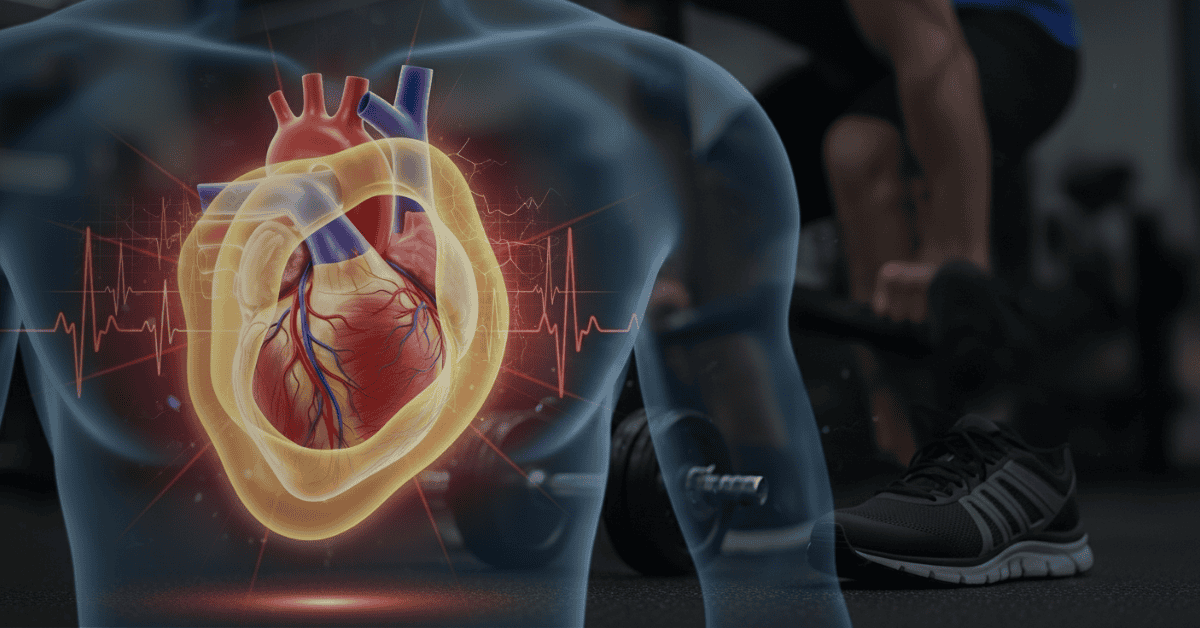
Dr. Sarah Chen thought she had cracked the code to perfect health. The 42-year-old cardiologist ran five miles every morning, maintained a lean physique, and boasted excellent cholesterol levels. Yet during a routine CT scan for research purposes, the images revealed a shocking truth: invisible fat had wrapped itself around her heart like a suffocating blanket.
Chen’s discovery mirrors a growing concern among medical researchers worldwide. This hidden enemy, called visceral adipose tissue, lurks deep within the body cavity, undetectable by bathroom scales or mirror reflections. Unlike the pinchable fat beneath your skin, visceral fat nestles between vital organs, releasing inflammatory chemicals that silently assault your cardiovascular system.
The Ancient Enemy in Modern Bodies
Human bodies evolved sophisticated fat storage systems over millions of years. Our hunter-gatherer ancestors needed quick energy reserves during famines and long migrations across harsh landscapes. Subcutaneous fat provided insulation and stored calories efficiently beneath the skin.
Visceral fat served a different purpose entirely. This metabolically active tissue cushioned organs during physical stress and released energy rapidly when needed. In our ancestors’ world of feast and famine, this system worked perfectly.
The agricultural revolution changed everything. Steady food supplies meant less physical activity and more consistent caloric intake. The industrial age accelerated these changes, introducing processed foods and sedentary lifestyles that our Stone Age metabolism couldn’t handle effectively.

The Silent Infiltrator
Modern imaging technology has unveiled visceral fat’s true nature. Unlike its subcutaneous cousin, visceral fat behaves more like an endocrine organ than simple storage tissue. It produces over 50 different hormones and inflammatory proteins, including tumor necrosis factor-alpha and interleukin-6.
These chemical messengers travel directly to the liver through the portal circulation system. From there, they spread throughout the body, triggering chronic inflammation that damages blood vessels and promotes atherosclerosis. The proximity to vital organs makes visceral fat particularly dangerous.
Dr. James Despres from Laval University Hospital discovered that visceral fat accumulation begins decades before visible weight gain occurs. His research team tracked 2,000 participants over 15 years, finding that metabolically obese individuals with normal weight faced identical heart disease risks as visibly overweight patients.
The Exercise Paradox Explained
Regular exercise provides tremendous cardiovascular benefits, but it doesn’t automatically eliminate visceral fat accumulation. Endurance activities like running and cycling primarily burn subcutaneous fat and improve overall fitness markers. However, visceral fat responds differently to various exercise types and intensity levels.
High-intensity interval training shows superior visceral fat reduction compared to steady-state cardio. Resistance training builds muscle mass, which increases metabolic rate and enhances visceral fat burning during rest periods. Combining both exercise types creates the most effective fat reduction strategy.
Genetics also play a crucial role in visceral fat storage patterns. Some individuals store excess calories as subcutaneous fat, while others accumulate dangerous visceral deposits. Age compounds this effect, as hormonal changes after 30 promote visceral fat accumulation regardless of activity levels.
The Global Health Crisis
Visceral fat accumulation represents a worldwide health epidemic. The World Health Organization estimates that 1.9 billion adults carry excess abdominal fat, with 650 million qualifying as obese. However, these statistics underestimate the true scope because they rely on body mass index measurements that ignore fat distribution patterns.
In Asia, populations with traditionally lower obesity rates show alarming visceral fat increases despite maintaining normal weights. South Asian individuals develop visceral adiposity at lower BMI levels than other ethnic groups, leading researchers to propose ethnicity-specific health guidelines.
The economic impact proves staggering. Visceral fat-related cardiovascular disease costs global healthcare systems over $200 billion annually. These expenses include emergency interventions, chronic disease management, and productivity losses from premature death and disability.
Detection and Assessment Methods
Advanced imaging techniques now allow precise visceral fat measurement. Dual-energy X-ray absorptiometry scans provide detailed body composition analysis, separating visceral from subcutaneous fat deposits. Magnetic resonance imaging offers the gold standard for research purposes but remains expensive for routine screening.
Simpler assessment methods include waist circumference measurements and waist-to-hip ratios. Men with waist measurements exceeding 40 inches and women over 35 inches likely carry dangerous visceral fat levels. These measurements correlate strongly with advanced imaging results while remaining accessible for routine health screenings.
Beyond Exercise: Comprehensive Solutions
Addressing visceral fat requires multifaceted approaches that extend beyond traditional exercise recommendations. Sleep quality significantly impacts visceral fat accumulation, with less than seven hours nightly increasing abdominal obesity risk by 32 percent according to Mayo Clinic research.
Chronic stress elevates cortisol levels, promoting visceral fat storage around organs. Meditation, yoga, and stress management techniques help regulate hormonal responses and reduce inflammatory markers. Japanese studies show that mindfulness practices decrease visceral fat by 15 percent over six months.
Dietary strategies prove equally important. Mediterranean-style eating patterns rich in omega-3 fatty acids and polyphenols reduce inflammation and promote visceral fat loss. Intermittent fasting shows promise for targeting visceral deposits specifically, though more research remains needed.
The Precision Medicine Approach
Emerging research suggests personalized interventions based on individual genetic profiles and metabolic markers. Continuous glucose monitors reveal how different foods affect blood sugar responses, helping optimize dietary choices for visceral fat reduction.
Biomarker testing identifies inflammatory patterns and hormonal imbalances that contribute to visceral fat accumulation. This information guides targeted supplement protocols and lifestyle modifications tailored to individual needs rather than one-size-fits-all recommendations.
The Future of Heart Health
Medical science continues unveiling visceral fat’s complex relationships with cardiovascular disease. Researchers at Stanford University recently identified specific immune cells within visceral fat deposits that directly communicate with heart tissue. These findings could lead to targeted therapies that neutralize visceral fat’s harmful effects without requiring weight loss.
Gene therapy approaches show early promise for modifying fat storage patterns. Scientists have successfully altered mice genetics to preferentially store calories as subcutaneous rather than visceral fat. Human trials remain years away, but these discoveries offer hope for genetic solutions.
Advanced wearable technology will soon provide real-time visceral fat monitoring. Ultrasound devices small enough to wear continuously could alert users when visceral fat levels exceed healthy thresholds. This technology would transform prevention strategies from reactive to proactive approaches.
The hidden fat surrounding our organs represents one of modern medicine’s most insidious challenges. As our understanding deepens, the path forward becomes clearer: comprehensive lifestyle approaches that address sleep, stress, nutrition, and targeted exercise will prove more effective than any single intervention. The future of heart health lies not in fighting visible fat, but in conquering the invisible enemy within.
Sources
• Mayo Clinic Proceedings: “Visceral Adiposity and Cardiovascular Disease Risk” (2023) • World Health Organization: Global Health Observatory Data on Obesity (2024) • Laval University Hospital: “Metabolically Obese Normal Weight Syndrome Study” (2022) • Stanford University Medical Center: “Visceral Fat and Cardiac Communication Research” (2024) • American Heart Association: “Exercise Guidelines for Visceral Fat Reduction” (2023) • Nature Medicine: “Genetic Factors in Fat Distribution Patterns” (2024) • Journal of Clinical Investigation: “Inflammatory Markers in Visceral Adipose Tissue” (2023)
Disclaimer
This article is for informational purposes only and should not replace professional medical advice. Consult with healthcare providers before making significant changes to exercise routines, diet, or health management strategies.